What is DesignOps? How It Scales Design Teams and Speeds Delivery

Updated: Oct 1
Explore the importance of DesignOps and how it can scale your design and product operations

Design teams deliver their best work when operational friction disappears. Yet most organizations watch talented designers spend more time coordinating workflows, hunting for files, and navigating tool chaos than solving actual user problems. Design operations emerged as the systematic solution, organizing people, processes, and infrastructure so creative teams can focus on what they do best: creating exceptional user experiences that drive business results.
Key Takeaways:
DesignOps definition: Strategic coordination of people, processes, and infrastructure that enables design teams to function at scale
Core operational areas: People management, workflow optimization, and tools governance that keep designers focused on creative problem-solving
Scaling mechanics: How standardized systems prevent quality degradation as teams expand across distributed locations and complex product lines
Delivery acceleration: Specific frameworks that reduce handoff friction between design and development while maintaining design integrity
Team structure insights: When organizations need dedicated DesignOps roles versus embedded operational thinking
Professional development paths: How design operations create clearer career progression for creative talent
What is DesignOps and Why Does It Exist?
DesignOps is the systematic coordination of people, processes, and infrastructure that enables design teams to operate at scale. This discipline removes operational friction (tool chaos, workflow confusion, coordination overhead) so designers can focus on solving user problems rather than battling administrative tasks. Unlike project management, which tracks deliverables and timelines, design operations addresses design-specific challenges like creative workflows, design system governance, and team culture.
Design teams historically worked in isolation. When organizations recognized design's strategic value around 2010-2014, teams expanded rapidly—often growing three to four times faster than other departments. This acceleration exposed structural weaknesses: inconsistent deliverables, duplicated efforts, and communication breakdowns between distributed teams.
Dave Malouf popularized the term around 2014 as companies like Airbnb, LinkedIn, and Dropbox hit critical inflection points. These organizations typically needed structured approaches once they reached 10-15 designers spread across multiple product teams.
The discipline creates conditions for design excellence rather than directly producing design work. Think operational infrastructure supporting creative output—similar to how DevOps revolutionized software development through systematic process optimization.
DesignOps Focus Areas | Traditional Project Management |
Design-specific workflows and rituals | Generic task tracking across functions |
Creative team culture and growth paths | Resource allocation and timeline management |
Design system governance and adoption | Deliverable tracking and status reporting |
Cross-functional design integration | Stakeholder communication and scheduling |
Organizations investing in professional UX/UI design services benefit directly from operational frameworks that ensure consistent quality delivery. Structured approaches prevent the quality degradation that typically accompanies rapid team growth, maintaining excellence as complexity increases.
For example, when HMH partnered with our team, operational alignment across product and design teams became essential to supporting their expanding digital learning platform. By introducing structured DesignOps practices and clearer collaboration workflows, their teams were able to reduce friction between design and engineering while maintaining consistent product quality at scale. You can explore how these operational improvements supported their product ecosystem in this HMH case study.

What Are the Three Pillars of Effective Design Operations?
Mature design operations functions balance three operational areas: people, processes, and infrastructure. Teams adjust emphasis based on current challenges rather than applying rigid formulas, but each pillar serves distinct purposes that multiply design impact.
Pillar 1: People Operations (35% focus)
Hiring and growth frameworks transform how design teams build capabilities. Standardized interview processes assess both technical skills and cultural alignment, ensuring new hires strengthen rather than dilute team quality. Onboarding extends beyond tool tutorials—30-60-90 day plans include buddy systems, documentation libraries covering design philosophy, and clear deliverables that accelerate integration.
Professional development moves from informal mentorship to structured progression:
Skill mapping exercises identify capability gaps across the entire team
Career ladders distinguish between IC tracks, management paths, and DesignOps specialization
Conference participation includes mandatory knowledge-sharing with the broader team
Mentorship programs pair experienced designers with growing talent
Strategic planning for team composition prevents the reactive hiring that creates skill imbalances. Organizations working with product strategy consulting address these upstream workforce challenges before they cascade into operational chaos.
Pillar 2: Workflow Operations (40% focus)
Process standardization accelerates work without crushing creativity. Design sprint frameworks adapt to organizational context rather than following generic templates. Feedback protocols generate actionable insights instead of meandering critique sessions. Handoff specifications ensure developers understand design intent, reducing the back-and-forth that typically delays implementation.
Cross-functional integration connects design work to broader product strategy. Regular ceremonies, not just meetings, create shared understanding between design, product, and engineering teams. Decision-making frameworks prevent design-by-committee paralysis while maintaining necessary stakeholder input. Retrospectives capture lessons learned, turning project experiences into reusable knowledge.
Pillar 3: Tools and Infrastructure (25% focus)
Design systems provide the foundation for scalable consistency. Component libraries include usage guidelines that prevent misapplication. Contribution models allow controlled evolution as product needs expand. Adoption tracking measures real impact, revealing which components actually serve teams versus sitting unused.
Tool ecosystem management extends beyond software procurement:
Centralized licensing prevents mid-project access disruptions
Integration strategies connect design tools to development workflows
File organization schemas eliminate the digital clutter that wastes designer time
Security protocols protect intellectual property without hindering collaboration
Research operations deserve dedicated attention. Participant recruitment pipelines, insight repositories, and testing tool standardization ensure user research informs design decisions systematically rather than sporadically.
How Does DesignOps Actually Accelerate Delivery Without Sacrificing Quality?
Speed emerges from eliminating wasteful activities rather than cutting corners on craft. Organizations implementing systematic DesignOps report faster concept-to-delivery timelines because operational friction disappears, not because designers work faster.
Standardized workflows reduce decision fatigue dramatically. Clear processes eliminate repeated conversations about file naming conventions, review schedules, and approval chains. Designers spend mental energy solving user problems instead of figuring out "how" to work.
Design systems multiply efficiency through reusability. Components let designers compose interfaces rather than redesigning from scratch. Engineers implement faster because components include usage documentation and code examples. Consistency emerges naturally rather than through manual quality control after the fact.
Parallel work replaces sequential bottlenecks. Traditional handoffs create waiting periods—design finishes, then engineering starts. DesignOps enables collaboration during implementation. Designers provide incremental specifications while engineers build earlier sections. Continuous feedback loops catch misalignments before they become expensive rework.
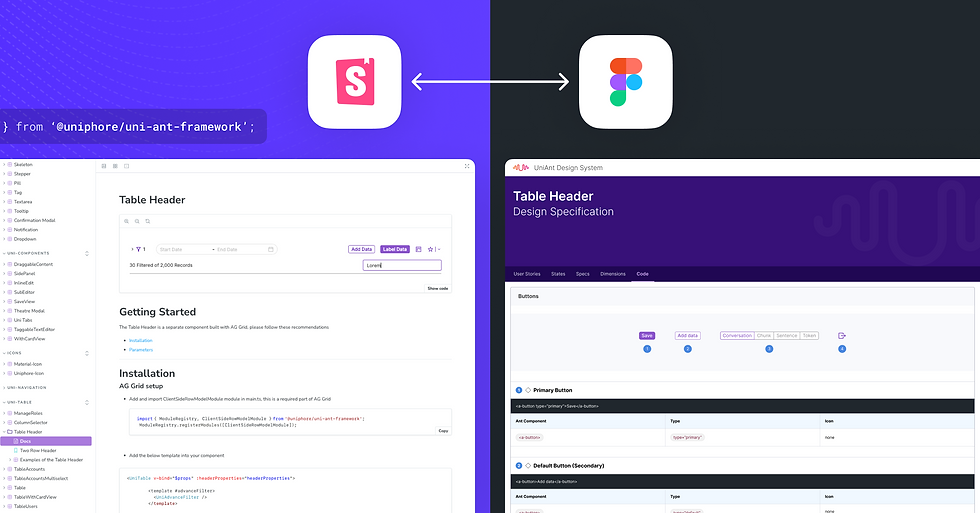
This approach becomes especially important in enterprise environments where multiple product teams share design resources. In one example, Uniphore streamlined collaboration across its product ecosystem by implementing enterprise DesignOps practices that unified workflows, tools, and governance across teams. The result was a more cohesive product experience and faster delivery cycles across their expanding platform.
Quality safeguards maintain standards at higher speeds:
Design QA checklists catch accessibility gaps before handoff
Automated linting tools flag guideline violations immediately
Peer review protocols ensure multiple perspectives inform decisions
Component testing validates reusable elements once rather than repeatedly
Metrics quantify improvement and spotlight problems. Track time from concept to handoff → Measure design review cycle duration → Count iterations required for approval → Monitor design system adoption rates. These numbers validate optimization efforts and reveal where friction remains.
Initial implementation slows delivery for 2-3 months while teams adapt to new processes. Smart organizations accept this temporary dip, recognizing that systematic operations compound returns over time. Short-term adjustment pain yields long-term velocity gains that persist as teams scale.
When Do Organizations Need Dedicated DesignOps Roles vs. Embedded Practices?
Team size and complexity determine whether DesignOps requires dedicated roles or distributed responsibility. The decision depends less on headcount alone and more on organizational structure, geographic distribution, and product portfolio complexity.
Team Size | DesignOps Approach | Key Responsibilities |
5-12 designers | Embedded thinking | Every member contributes to operational improvements; senior designers dedicate 20% time to process refinement; monthly retrospectives address friction |
12-25 designers | Part-time specialist | Design Producer or Program Manager maintains systems while doing some hands-on work; manages tools, coordinates hiring, and facilitates meetings |
25+ designers | Dedicated function | Full team spanning DesignOps managers, research operations specialists, and program managers; handles strategic planning, headcount forecasting, and budget management |
Embedded approaches work when teams sit in one location, work on single product lines, and share direct reporting structures. Geographic distribution or multiple product teams typically demand more structured coordination.
Part-time specialists bridge the gap between informal practices and dedicated functions. They maintain design systems, track project status, and manage tool licenses while staying connected to hands-on design work.
Enterprise scale requires specialized roles. Strategic planning, metrics reporting, and cross-functional alignment become full-time responsibilities. Organizations benefit most when operational excellence supports strategic design thinking through DesignOps services that scale systematically.
What Specific Career Development Opportunities Does DesignOps Create?
Structured operations transform professional development from informal mentorship into systematic growth frameworks. Designers gain clarity on progression paths that were previously ambiguous or nonexistent.
Career tracks become visible and achievable. Junior designers see concrete paths to senior IC roles, design leadership positions, or DesignOps specialization. Each track includes defined competencies, expected impact levels, and compensation progression tied to skill development rather than tenure alone.
Skill development operates on predictable schedules instead of ad-hoc requests. Organizations budget for workshops, certification programs, and conference attendance with mandatory knowledge-sharing afterward. Teams learn collectively rather than depending on individual initiative to drive growth.
Performance evaluation gains objectivity through clear frameworks:
Designers understand exactly how their work connects to business outcomes
Managers provide actionable feedback tied to growth frameworks
Advancement criteria replace subjective assessments with measurable standards
Regular calibration sessions ensure consistency across the organization
Cross-functional opportunities expand significantly. Operational infrastructure enables designers to lead research programs, participate in strategic initiatives, or mentor across teams. Administrative barriers that previously confined designers to execution roles disappear when systems handle coordination overhead.
The retention impact proves substantial. Organizations with mature design operations report lower designer turnover compared to industry averages. Clear growth paths combined with reduced operational frustration keep talented people engaged and productive.
However, DesignOps alone doesn't guarantee development success. Organizations must pair operational infrastructure with genuine investment—budgets, protected time, and leadership support for growth initiatives. Systems create the framework, but commitment makes development real.
Ready to Scale Your Design Team Without Losing Quality?
Design operations separate teams that scale successfully from those that collapse under their own growth. The difference is the operational infrastructure that multiplies design impact systematically.
Organizations building exceptional digital experiences invest in frameworks that coordinate people, processes, and tools effectively. These systems free designers from administrative chaos, letting them focus on solving complex user problems that drive business outcomes. Strategic approaches prevent the quality degradation that typically accompanies rapid expansion.
The transformation doesn't happen accidentally. It requires intentional investment in operational foundations that scale creative work without crushing creative spirit. Teams that implement systematic practices early position themselves for sustainable growth as product complexity increases and market demands accelerate.
Real-world implementations—from large education platforms to enterprise AI companies—show how structured DesignOps enables teams to scale product ecosystems without losing design quality.
Strategic design operations transform team potential into measurable impact. Contact our team to discuss how systematic approaches can strengthen your design team's velocity and business outcomes.
FAQs
How long does it take to see measurable results from DesignOps implementation?
Initial workflow improvements appear within 2-3 months, but a comprehensive transformation showing measurable impact on delivery speed and quality typically requires 6-12 months of consistent practice.
Can small design teams benefit from DesignOps, or is it only for large organizations?
Teams as small as 5-7 designers benefit from embedded operational thinking—standardized workflows, documentation, and process improvement habits. Dedicated roles become necessary around 12-15 designers, but operational mindsets create value at any scale.
How do you measure DesignOps success beyond designer satisfaction?
Track quantifiable metrics, including time-from-concept-to-handoff, design system adoption rates, design review cycle duration, rework percentages, cross-functional collaboration frequency, and designer retention rates compared to industry benchmarks.
Should DesignOps professionals have hands-on design skills, or is operations expertise sufficient?
Most effective DesignOps professionals combine design background (understanding designer workflows and challenges) with operations expertise (project management, process optimization). Pure operations background works, but requires significant effort to understand design-specific needs.
How does DesignOps interact with existing PMO or Agile transformation initiatives?
DesignOps complements rather than replaces broader organizational operations. It translates generic project management frameworks into design-specific contexts, ensuring agile ceremonies and PMO requirements serve rather than hinder creative work.
About Us
Neuron is a San Francisco–based UX/UI design agency specializing in product strategy, user experience design, and DesignOps consulting. We help enterprises elevate digital products and streamline processes.
With nearly a decade of experience in SaaS, healthcare, AI, finance, and logistics, we partner with businesses to improve functionality, usability, and execution, crafting solutions that drive growth, enhance efficiency, and deliver lasting value.
Want to learn more about what we do or how we approach UX design? Reach out to our team or browse our knowledge base for UX/UI tips.